


How to Hire the Best Guttering Installation Pros in Your Area
Find Reliable Guttering Installation Near Me for Lasting Home Protection
Guttering installation near me should mean more than finding the closest contractor. The right local team will measure your roofline, check fascia and drainage, explain material choices, and provide a clear written estimate with warranty terms.
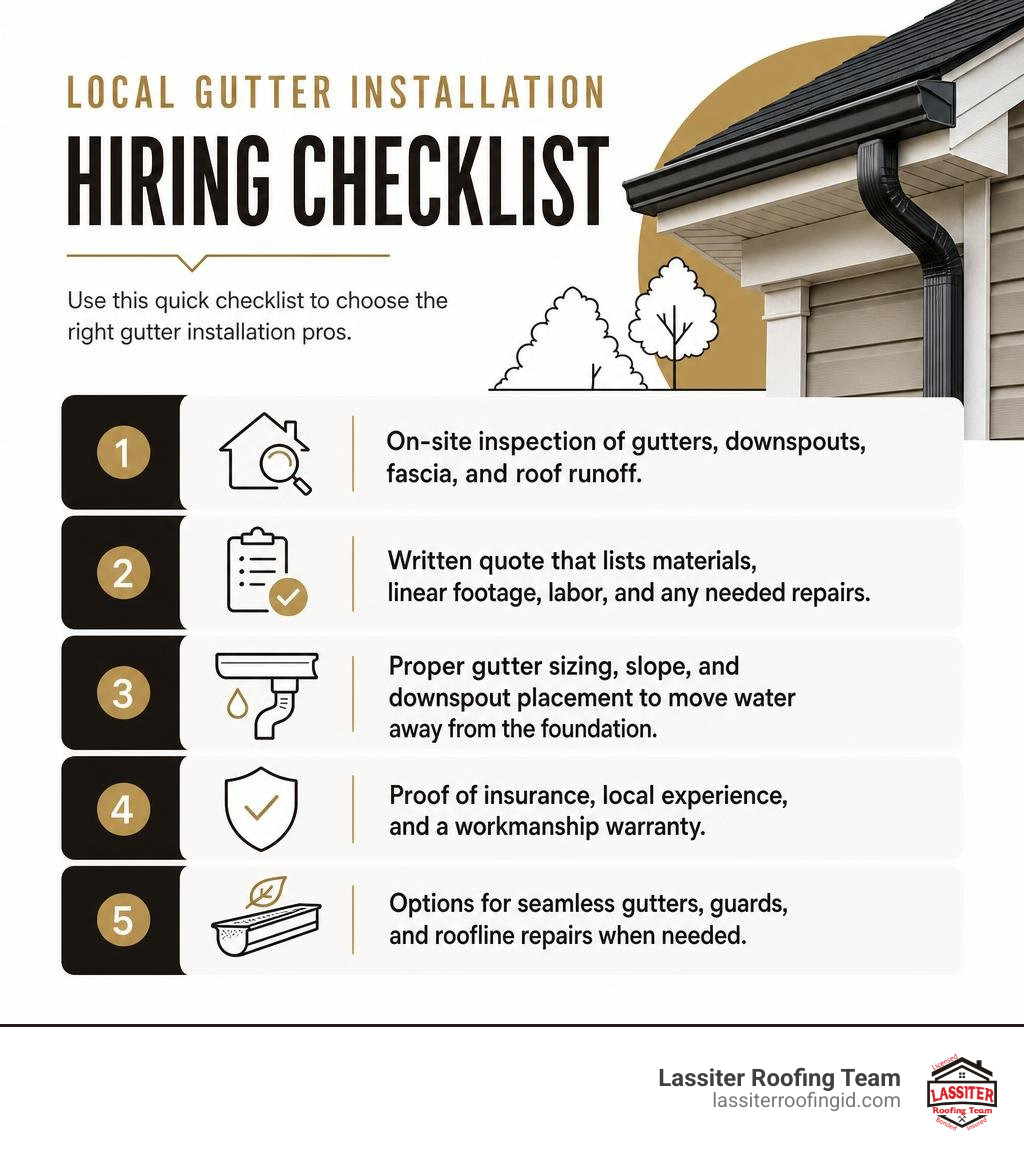
For a quick hiring checklist, look for a company that offers:
An on-site inspection of gutters, downspouts, fascia, and roof runoff.
A written quote that lists materials, linear footage, labor, and any needed repairs.
Proper gutter sizing, slope, and downspout placement to move water away from the foundation.
Proof of insurance, local experience, and a workmanship warranty.
Options for seamless gutters, guards, and roofline repairs when needed.
Gutters are a small part of a home's exterior, but they manage a major risk: roof runoff. Poor drainage can overflow onto siding, rot fascia, wash away soil near the foundation, and create costly moisture problems over time. This guide will help you compare local guttering pros and know what a quality installation should include.
I am Kason Walton, owner of Lassiter Roofing Team, with more than 30 years of experience in construction, real estate, and roofing work across Idaho's Western Treasure Valley. I use that hands-on background to help homeowners make practical decisions about guttering installation near me, weather protection, fair pricing, and dependable workmanship.
Signs You Need Local Roofline Services and Proper Slope
Homeowners often pay little attention to their guttering until rainwater starts cascading over the edges like a makeshift waterfall during a afternoon storm. Identifying early warning signs of gutter failure can save you thousands of dollars in foundation and structural repairs down the road.
Improperly managed rainwater can erode soil around a foundation at rates that compromise structural integrity within just a few years. When water isn't routed away safely, it pools at the base of your home, seeping into concrete footings, cracking foundation walls, and infiltrating basements or crawl spaces.
Look out for these clear indicators that your roofline drainage needs immediate professional care:
Water Pooling and Soil Erosion: Noticeable trenches or mud splatter near your foundation indicate that gutters are either overflowing or leaking at the joints.
Fascia Decay and Peeling Paint: Water overflowing from clogged or sagging gutters runs backward down the underside of the eave, causing timber fascia boards to rot and paint to bubble.
Sagging Gutter Channels: When fasteners pull away from the roofline under the weight of trapped water and wet leaves, gutters lose their necessary trajectory.
Standing Water: Gutters filled with stagnant water long after a storm has passed indicate an incorrect pitch.
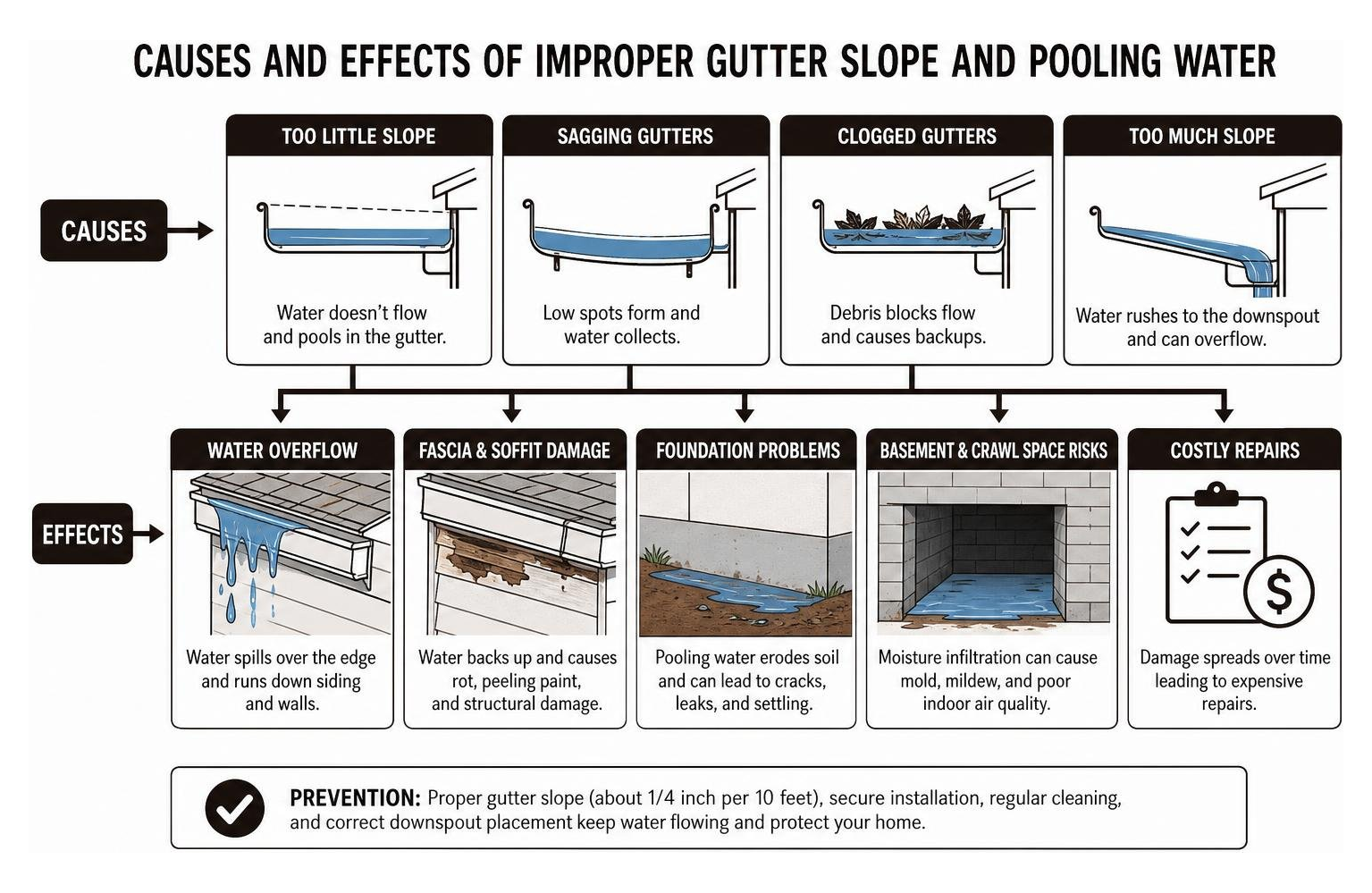
Achieving proper gutter slope is one of the most critical aspects of any installation. Gutters must be pitched at a rate of approximately one-quarter inch for every ten feet of run to ensure water flows efficiently toward downspouts without stagnating. If a channel is too flat, debris builds up and water collects; if it is pitched too steeply, the gutter looks crooked and can overwhelm downspouts during torrential rains.
Complete roofline protection also involves structural elements beneath and around the gutter channel. Upgrading your gutters is often the best time to address underlying wood rot, install protective dry verge caps on tile edges, or add roof and attic vents to balance home ventilation. To better budget for a complete overhaul, explore detailed insights on fascia soffit and guttering replacement cost before hiring a contractor.
Selecting Materials and Options for Guttering Installation Near Me
When searching for guttering installation near me, you will quickly discover that today's market offers a wide range of material profiles and protective finishes tailored to different home styles and climates.
The three primary materials used in modern residential applications are aluminum, copper, and uPVC (unplasticized polyvinyl chloride). Each material offers distinct advantages regarding durability, aesthetic appeal, maintenance requirements, and upfront investment:
Aluminum Profiles: The most popular choice across North America, aluminum is lightweight, completely rust-proof, and available in factory-enameled colors. Aluminum channels can be custom-fit directly at your home using roll-forming machines.
Copper Systems: Loved for its classic aesthetic, high structural strength, and extreme durability, copper gutters can last fifty years or more with proper maintenance. Over time, copper develops a protective patina that shields the metal while adding timeless architectural beauty.
uPVC Options: Highly popular for low-maintenance residential design, uPVC is completely corrosion-resistant, lightweight, and pre-colored, meaning it never requires painting. High-grade plastic profiles hold up well against heavy rain and damp weather.
Custom-fit installations ensure that every side of your house features continuous runs tailored to the exact dimensions of your eave, eliminating unnecessary seams and ensuring maximum water capacity.
Seamless vs. Sectional Systems
Understanding the structural difference between seamless and sectional gutters is crucial when reviewing quotes from local contractors.
Sectional gutters come in pre-cut lengths (usually 10 to 20 feet) that must be joined together with snap-on connectors or sealant during installation. Over time, heat expansion, freezing temperatures, and structural settling cause these sealed joints to degrade, leading to persistent drips and leaks.
Seamless gutters, on the other hand, are fabricated on-site from a continuous roll of metal using a mobile roll-forming machine mounted inside the contractor's trailer. Each piece is custom-measured to fit the exact length of your roof eave, eliminating joints along the horizontal run. The only seams exist at inside and outside corners and downspout connections.
Feature Seamless Gutters Sectional Gutters Fabrication Method On-site roll-forming to custom lengths Pre-cut factory lengths snapped together Leak Vulnerability Extremely low (joints only at corners) High (joints every 10–20 feet) Aesthetic Finish Clean, continuous architectural lines Visible seams and joining brackets Maintenance Needs Minimal channel catching points High (debris catches on interior joint ridges) Average Lifespan 20 to 30+ years 10 to 15 years Relative Upfront Cost Moderate to higher initial investment Lower initial material cost
Because seamless aluminum gutters eliminate continuous joint leak failures, they are widely recognized as the industry standard for modern home protection.
Gutter Material Comparison: Aluminum, Copper, and uPVC
Choosing between material profiles requires balancing immediate project budgets against long-term maintenance costs and local weather resilience.
Aluminum gutters offer exceptional versatility. Available in standard 5-inch K-style profiles for standard residential roofs and oversized 6-inch K-style options for steep-pitched roofs or high-rainfall regions, aluminum handles heavy water loads without placing unnecessary weight on your fascia.
For homeowners seeking absolute longevity, copper gutters can last fifty years or more under proper maintenance, easily doubling or tripling the lifespan of lower-end alternatives. Copper does not rust or rot, making it an exceptional investment for historic restorations and premium homes.
Meanwhile, durable uPVC gutters provide an accessible option for quick, durable replacement. High-grade plastic systems resist scratching, denting, and sea-salt corrosion, making them a common choice across global residential markets. If you are exploring European roofline standards or regional plastic profiles, checking specialized resources on rain gutters offers valuable insight into full-system uPVC installs.
Costs and What to Look For in Local Contractors
Understanding pricing metrics helps you evaluate quotes fairly when comparing guttering installation near me. Nationally, total installed costs range from $3 to $6 per linear foot for standard budget materials up to $10 to $20 per linear foot for high-end custom materials like heavy-gauge copper or specialty seamless profiles.
Total installation costs depend on several key variables:
Linear Footage: The total perimeter measurement of your eaves.
Material Selection: Aluminum vs. uPVC vs. copper or steel.
Home Height and Pitch: Multi-story homes with steep rooflines require extra safety equipment and labor time.
Fascia and Soffit Repairs: Replacing rotten underlying timber eave boards before mounting gutter hangers.
Downspouts and Accessories: Upgrading from standard 2x3-inch downspouts to high-capacity 3x4-inch downspouts, adding rain barrels, or installing gutter guards.
When vetting local contractors, always look beyond the initial bottom-line dollar figure. Verify that your chosen company holds active trade licenses, comprehensive public liability and general commercial insurance, and explicit written warranty terms covering both materials and labor.
Finding Reliable Guttering Installation Near Me Services
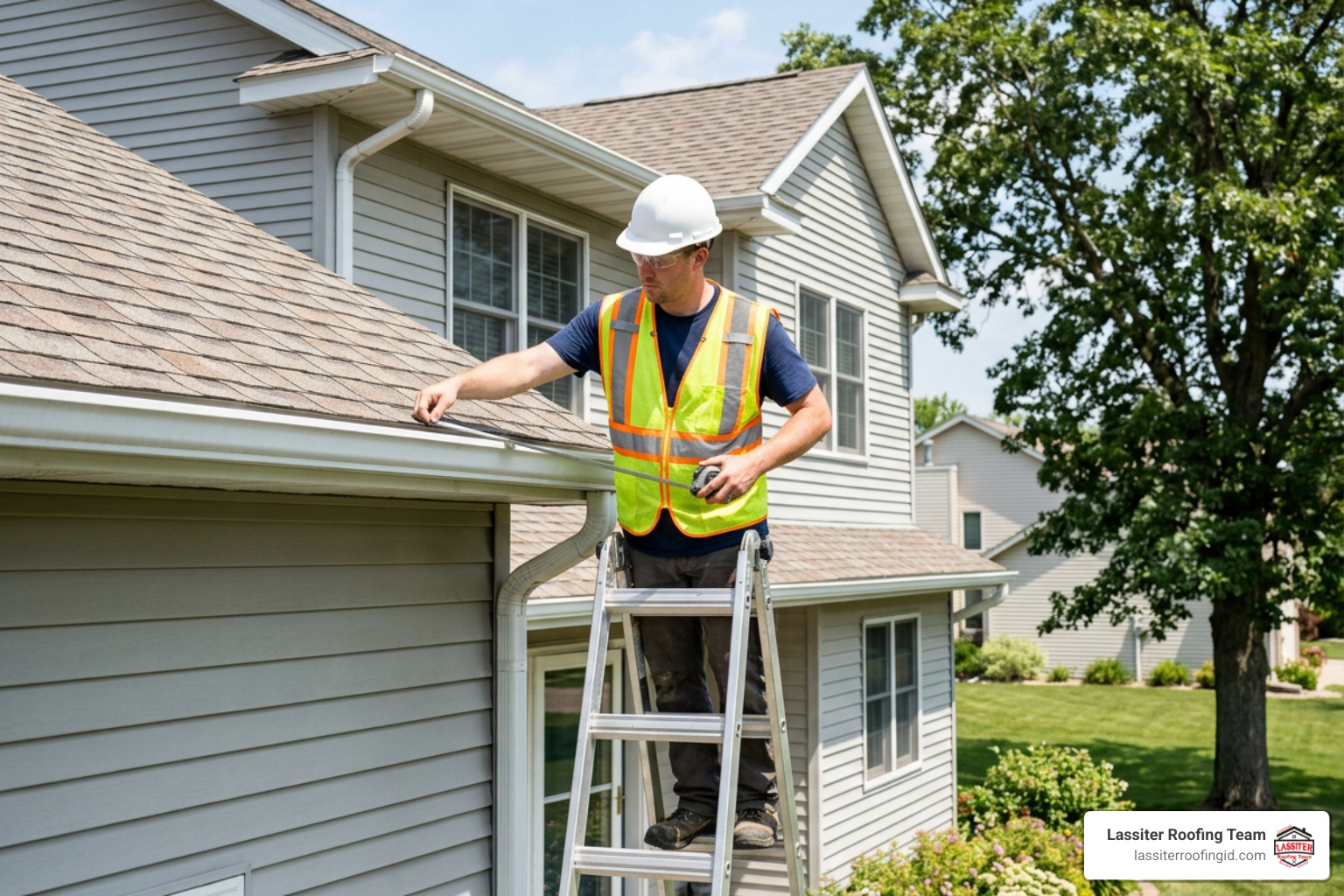
Hiring the right team ensures your gutter system performs properly for decades. Don't rely solely on online star ratings; ask detailed questions about installation practices before signing a work agreement.
When comparing local professionals, check these essential qualifications:
Direct Experience: Look for contractors with established local track records who specialize in exterior rooflines and understand regional weather challenges.
Workmanship Warranties: Ensure the installer backs their labor with a written guarantee separate from the manufacturer's material warranty.
No Subcontracting: Confirm whether the crew arriving at your home works directly for the company or if the job is being outsourced to third parties.
Comprehensive Inspections: Reliable contractors will inspect roof edges, eave overhangs, fascia integrity, and ground drainage patterns rather than just measuring perimeter lengths from satellite photos.
For detailed examples of regional roofline services and complete eave repair packages, reviewing professional industry guidelines can help clarify standard scope-of-work expectations.
What to Expect During a Free Estimate Consultation
A professional consultation should feel informative and transparent, leaving you with zero guesswork regarding scope, timeline, and pricing.
During an on-site evaluation, a representative will perform several essential steps:
Roofline and Fascia Assessment: Checking for existing wood decay, structural sagging, or soft spots in structural eave timber.
Pitch and Runoff Evaluation: Calculating roof surface area and pitch to determine whether 5-inch or high-capacity 6-inch gutters are needed.
Linear Footage Measurement: Accurately measuring eave lengths, valley transitions, and downspout drop points.
Downspout Placement Strategy: Identifying safe discharge locations at ground level that direct water at least 5 to 10 feet clear of foundation walls.
Detailed Written Proposal: Providing an itemized quote breaking down material options, drop-off details, hidden hanger spacing standards, labor costs, and warranty specifics.
Gutter Guard Effectiveness and Seasonal Maintenance
Even the most precisely angled, high-capacity gutter system can fail if clogged by leaves, twigs, pine needles, or blowing debris. When water cannot flow freely to downspouts, it backs up over the edge of the channel, rendering your whole investment ineffective.
Installing professional gutter protection systems (gutter guards or leaf covers) significantly reduces routine maintenance by creating a protective barrier over the channel top. While no guard makes a system completely maintenance-free, quality guards prevent large debris from filling the trough while allowing high-volume rain to pass through uninterrupted.
Well-maintained gutters and downspouts can double or triple the life of a roof drainage system compared to neglected channels that collect heavy damp debris year-round. Combining solid leaf protection with regular seasonal maintenance ensures your home remains safe during unexpected downpours.
Schedule and Tips for Gutter Cleaning
Even with protective covers installed, established home maintenance routines are essential for protecting structural rooflines.
We recommend cleaning and flushing gutters at least twice a year: once in late spring following tree pollen and flower blossom drop, and once in late fall after leaves have completely fallen.
Follow these practical steps during your seasonal gutter checkup:
Remove Surface Debris: Scoop out accumulated organic matter, working away from downspout openings to avoid pushing clogs deeper into vertical pipes.
Flush Channels with a Hose: Spray water from the high point of the run down toward downspouts to check for smooth water flow and locate hidden joint leaks.
Check Downspout Clearance: Ensure bottom elbows discharge freely and that downspout extenders direct water away from foundation soil.
Inspect Hidden Hangers: Verify that mounting brackets are securely screwed into underlying fascia timber and haven't pulled loose under winter ice loads.
For localized insights on comprehensive cleanout schedules and outbuilding maintenance, establishing a regular inspection routine helps prevent long-term water damage.
Preventing Clogs with Guttering Installation Near Me Options
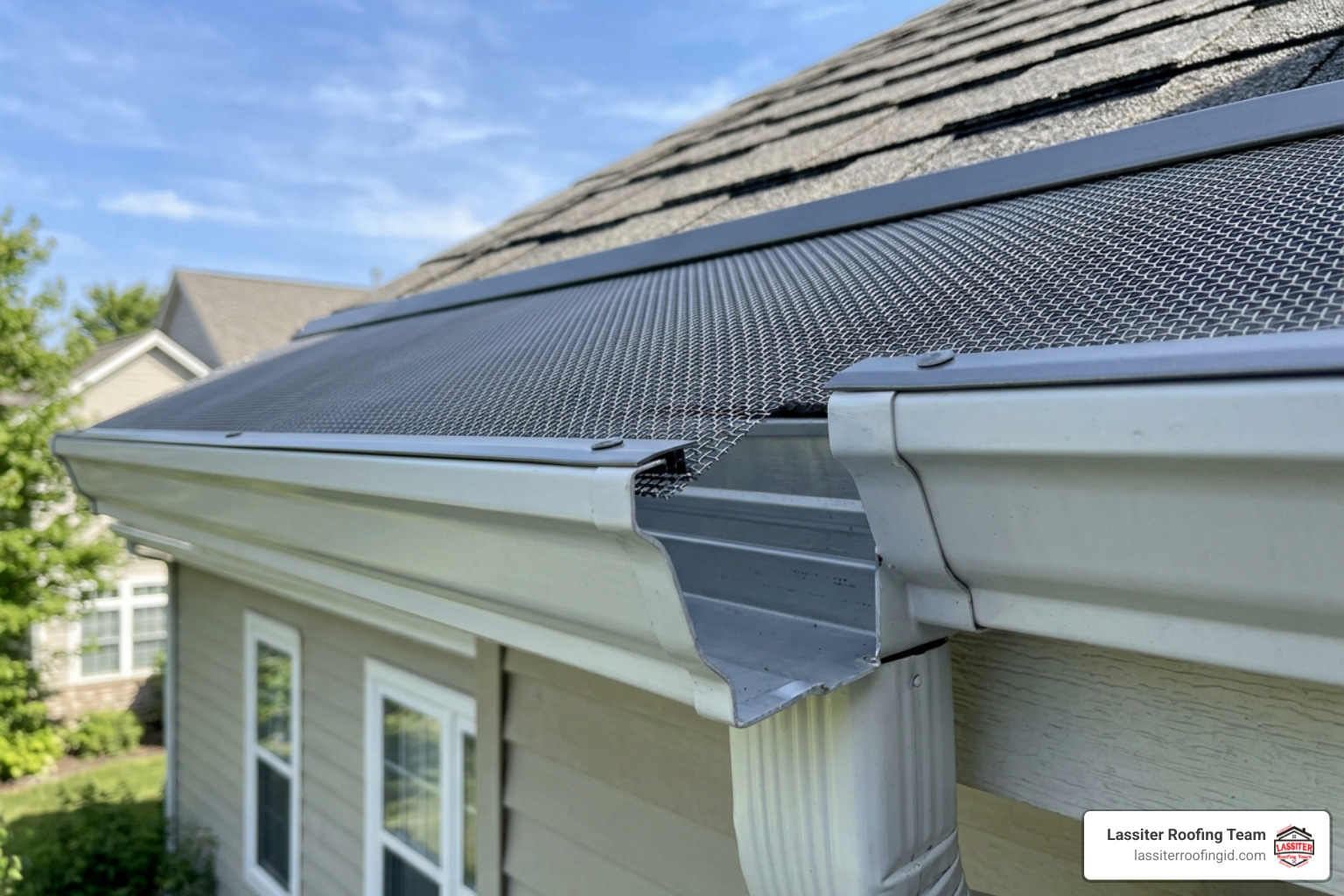
Choosing the right clogging defense depends heavily on the surrounding tree canopy near your property. Deciduous trees drop broad leaves that scoop out easily, whereas pine trees shed fine needles that slide right through standard slotted guards.
Modern leaf protection options fall into three main categories:
Micro-Mesh Guards: Featuring stainless steel mesh over aluminum frames, micro-mesh filters out fine roof grit, pine needles, and small organic debris while capturing heavy rainwater runoff.
Surface Tension / Helmet Covers: Solid rounded covers that force water to flow around the curved leading edge into a narrow slot while leaves slip off over the side.
Screen and Insert Covers: Budget-friendly mesh panels that snap into place to block large oak or maple leaves.
If your property is surrounded by heavy pine coverage or experiences frequent downpours, choosing 6-inch seamless gutters paired with fine micro-mesh protection provides high-volume drainage without recurring blockages.
Frequently Asked Questions About Gutter Installation
How often should gutters and downspouts be cleaned?
Gutters and downspouts should be cleaned and thoroughly inspected at least twice a year—typically in late spring and late autumn. If your home is surrounded by heavy pine trees or dense overhanging branches, cleanings every three to four months may be necessary to prevent organic matter from packing down inside the channels.
How much does professional gutter installation cost per linear foot?
National averages for professional installation typically range from $3 to $6 per linear foot for standard sectional profiles up to $10 to $20 per linear foot for seamless aluminum or high-end copper systems. Total project costs depend on linear footage, home height, roof pitch, underlying fascia condition, and accessory choices like high-capacity downspouts or leaf guards.
Why is proper gutter pitch and slope so important?
Proper pitch ensures that captured rainwater moves smoothly toward downspout drops rather than sitting stagnant in the channel. Gutters pitched accurately at approximately 1/4 inch per 10 feet of run prevent heavy standing water, which can rust metal, strain mounting brackets, breed mosquitoes, and cause water to back up underneath shingles into your home's roof deck.
Conclusion
A durable, properly installed gutter system is your home's first line of defense against roof leaks, ruined fascia boards, soil erosion, and costly foundation damage. By selecting high-quality seamless materials, maintaining accurate slope pitch, and partnering with an experienced local contractor, you protect your property investment for decades to come.
When evaluating guttering installation near me, turn to a team with a proven local track record. At Lassiter Roofing Team, we bring more than 30 years of hands-on experience in construction and roofing to residential, commercial, and agricultural properties across Idaho's Western Treasure Valley. We take pride in delivering individually quoted competitive pricing, honest recommendations, and a 5-year workmanship warranty on every project we complete.
Ready to secure your home with reliable roofline drainage? Contact the local specialists at Lassiter Roofing today to schedule your comprehensive on-site inspection and free written estimate!


