



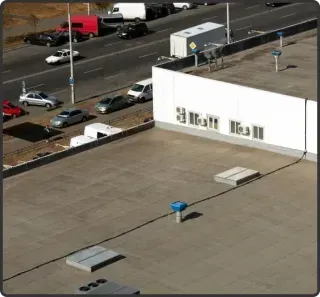
Flat Roof Repair Contractors and Materials: Felt vs Fibreglass Solutions
Why Flat Roof Repair Contractors Matter for Your Home or Business
Flat roof repair contractors are specialists who diagnose, fix, and maintain low-slope roofing systems — and choosing the right one can mean the difference between a lasting fix and a recurring nightmare.
Quick answer: What do flat roof repair contractors actually do?
Service What It Means Leak detection & repair Find and seal membrane breaks, flashing gaps, and seam failures Restoration coatings Apply fluid coatings to extend roof life and cut energy costs Emergency repairs Temporary weatherproofing (e.g., shrink-wrap) after storms Full replacement Tear-off and re-installation of a new membrane system Routine inspections Twice-yearly checkups to catch small problems early
Flat roofs are popular on both homes and commercial buildings. They're cost-effective, space-efficient, and look great. But they come with a real challenge: water doesn't run off on its own. Without proper slope, drainage, and membrane integrity, even a small crack can turn into a serious leak fast.
As one industry saying goes — there are two types of flat roofs: those that are leaking, and those that are about to leak. That's not meant to scare you. It's a reminder that flat roofs reward proactive attention and punish neglect.
The two most common flat roof material choices — felt (modified bitumen) and fibreglass (GRP) — each have distinct strengths and weaknesses depending on your climate, budget, and building type. Understanding which system you have, and what it needs, is the first step to getting the right repair.
I'm Kason Walton, owner of Lassiter Roofing Team, with over 30 years of combined construction experience helping Western Treasure Valley homeowners and business owners navigate flat roof repair contractors, materials, and long-term maintenance decisions. I'll walk you through everything you need to know to protect your roof and your investment.
Common Flat Roof Materials: Felt vs Fibreglass Solutions
When evaluating a low-slope or flat roofing project, selecting the right material substrate dictates how well your property handles extreme weather, thermal movement, and physical wear. While single-ply membranes are widely used today, traditional built-up felt and Glass Reinforced Plastic (GRP) fibreglass remain primary solutions for residential additions, garages, and commercial facilities.
Feature Built-Up Torch-Down Felt GRP Fibreglass Roofing Primary Material Polyester/glass fiber core with asphalt layers Glass fiber matting saturated with liquid resin Average Lifespan 15 – 20 years 25 – 30+ years Installation Method Heat torch-applied or cold-adhesive rolls Seamless cold-applied liquid resin on decking Flexibility & Expansion Excellent elasticity; absorbs thermal movement Rigid; requires expansion joints on large runs Foot Traffic Resistance Moderate; subject to punctures under heavy wear Exceptional; highly resistant to impacts and tears Initial Investment Lower upfront material and labor costs Higher initial material and skilled application costs
Felt vs Fibreglass: Durability, Cost, and Climate Performance
Torch-down felt systems, particularly modern polymer-modified bitumen membranes, offer time-tested water defense. Applied in multi-ply layers, modified bitumen uses synthetic rubber (SBS) or plastic (APP) modifiers that allow the membrane to stretch and contract as ambient temperatures fluctuate. This flexibility makes felt an reliable choice in regions with dramatic temperature swings between summer heat and winter freezing. However, UV degradation over time can break down surface granules, requiring regular checks for seam separation or splitting.
In contrast, GRP fibreglass forms a completely seamless, continuous shell over the entire roof surface. Because it lacks joints or glued seams, fibreglass eliminates one of the primary failure points seen on flat structures. It provides outstanding UV resistance and structural strength, easily handling heavy foot traffic, patio furniture, or heavy snow loads. The trade-off comes down to cost and rigidity: fibreglass requires meticulous installation, precise climate conditions during application, and strategically placed expansion trims on large roof expanses to avoid cracking during building movement.
Single-Ply Solutions: TPO Systems
For mid-to-large commercial properties and modern residential homes, Thermoplastic Polyolefin (TPO) single-ply membranes have established themselves as an industry benchmark. TPO combines the heat-aging resistance of rubber with the heat-weldable strength of vinyl.
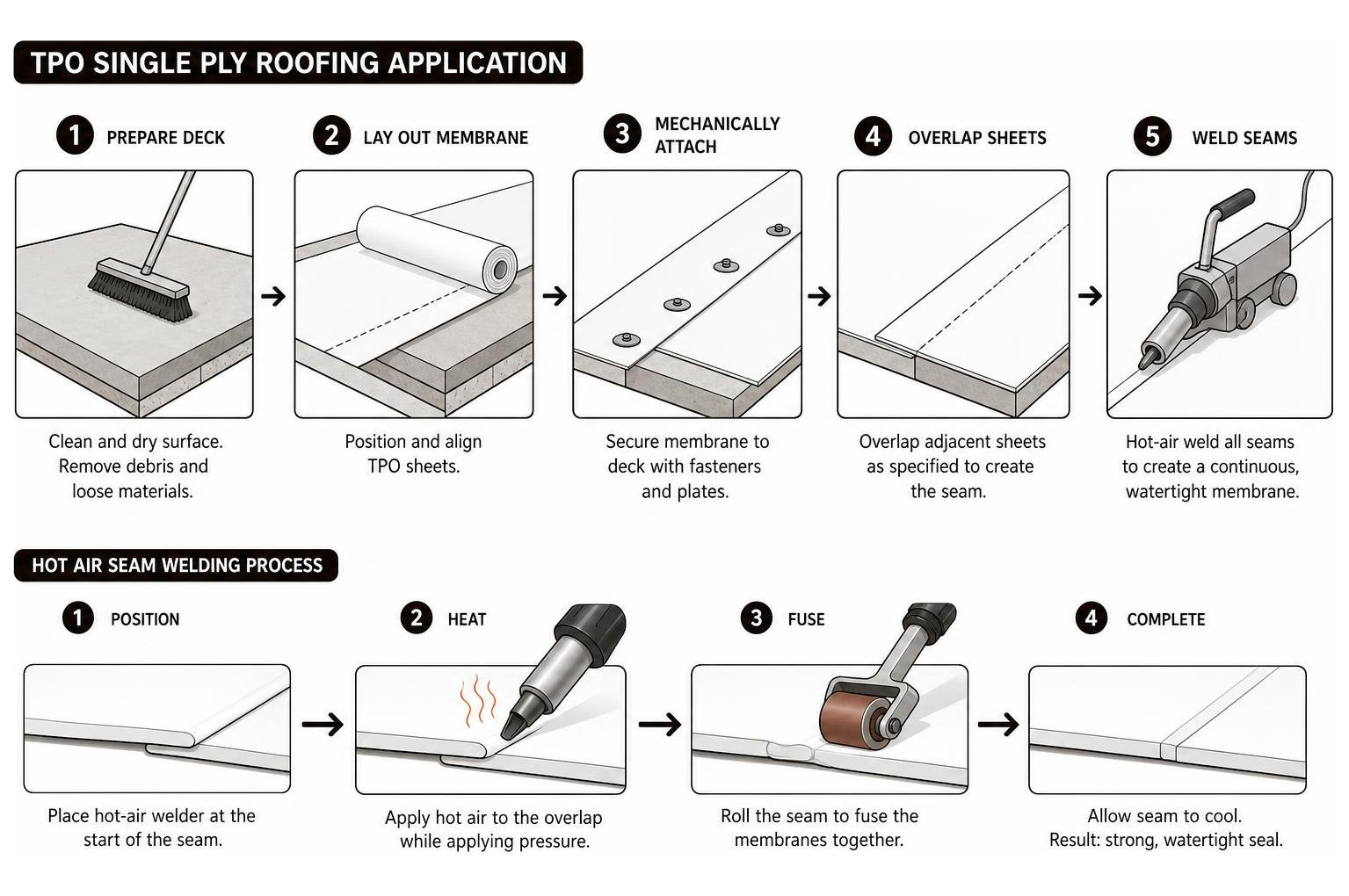
TPO membranes are hot-air welded at the seams, fusing the individual sheets into a single monolithic sheet across the entire roof deck. TPO features high solar reflectance, keeping building interiors cooler and slashing summer cooling demands. For additional insights on low-slope system options, reviewing specialized resources like the National Roofing Contractors Association can clarify how different membrane formulations function under real-world conditions.
Causes of Flat Roof Leaks and Structural Damage
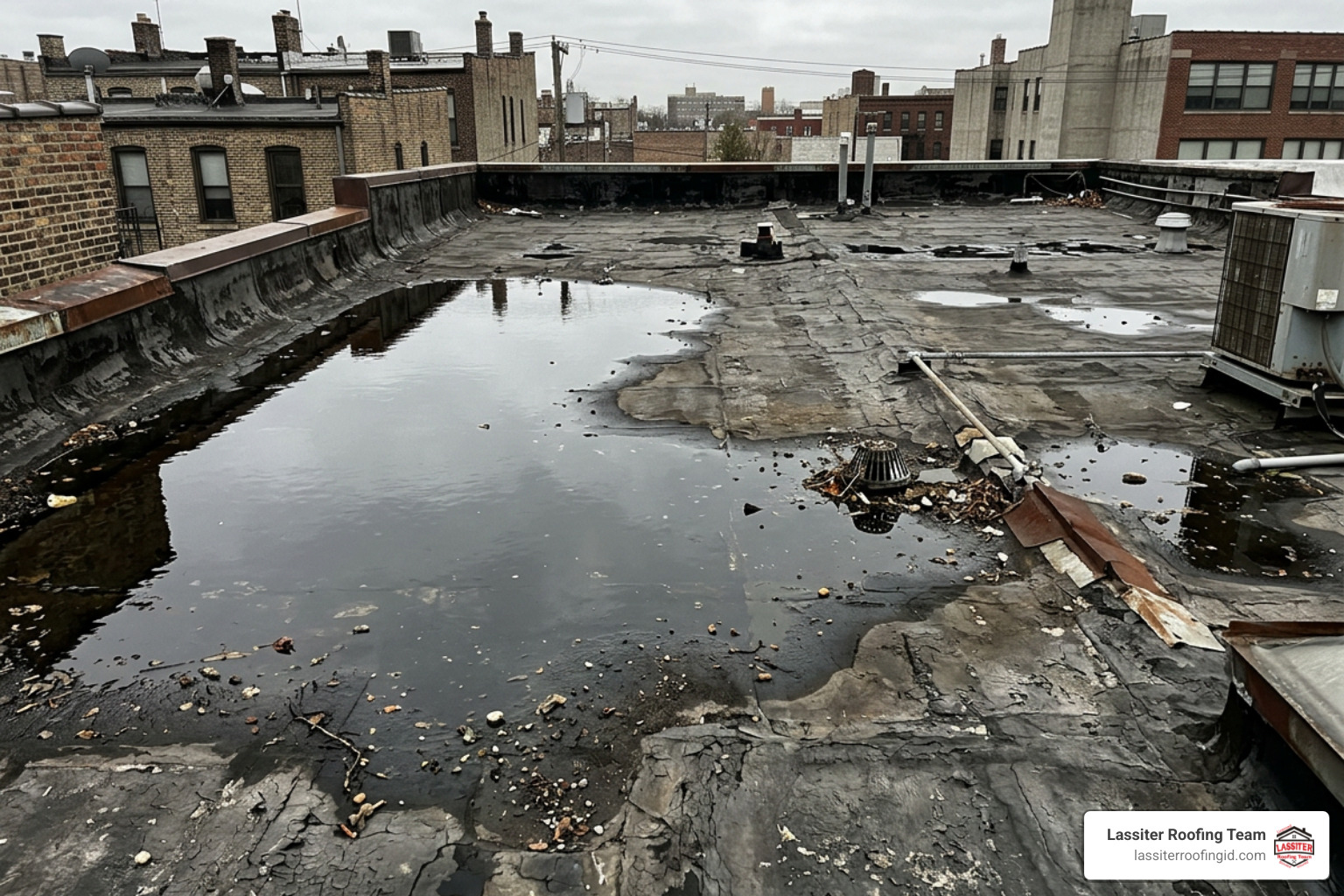
Unlike steep-sloped roofs that shed water instantaneously via gravity, flat and low-pitch roofs require flawless drainage design and membrane integrity. When a flat roof system fails, water intrusion can quickly spread horizontally across sub-framing and interior ceilings before revealing itself below.
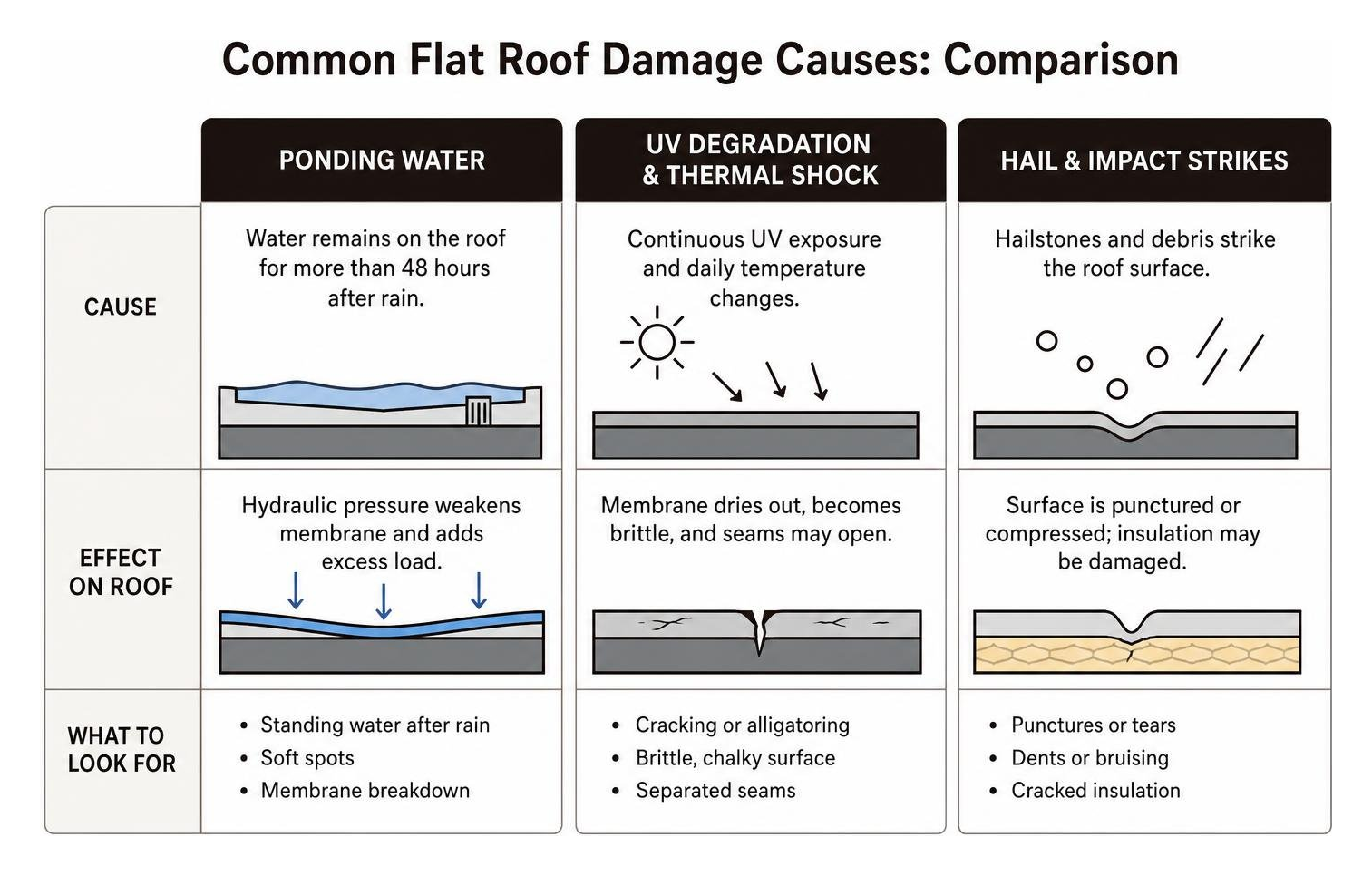
The primary catalysts behind flat roof damage include:
Ponding Water: Water remaining on a flat roof for longer than 48 hours after rain creates severe hydraulic pressure, accelerates membrane breakdown, and adds thousands of pounds of dead load to structural joists.
UV Degradation and Thermal Shock: Continuous high-altitude UV radiation bakes single-ply and asphalt membranes, drying out essential plasticizers. Daily heating and cooling cycles cause material expansion and contraction, pulling seams apart.
Hail and Impact Strikes: Severe hail impacts compress and rupture top single-ply layers while fracturing underlying polyisocyanurate (ISO) insulation boards beneath the surface, weakening structural insulation.
Improper Installation: Incorrectly seated termination bars, unsealed field seams, or lack of proper roof slope often trigger early system leaks long before materials reach their natural end-of-life.
Identifying Blisters, Membrane Punctures, and Flashing Leaks
Diagnosing flat roof issues early keeps localized repairs from spiraling into massive tear-offs. Here is what qualified flat roof repair contractors look for during routine roof surveys:
Membrane Blisters and Bubbles: Trapped moisture or vapor pockets expand beneath the roof membrane during hot sun exposure, raising giant bubbles. Left untreated, blisters rupture, creating direct pathways for rain.
Surface Tears and Punctures: Dropped tool boxes, mechanical equipment servicing, or falling tree limbs can puncture thin single-ply layers or cut fibreglass surfaces.
Parapet Wall Flashing Failures: Membranes naturally shrink as they age. As single-ply sheets pull away from wall junctions, unsealed parapet flashings and loose termination bars allow wind-driven rain straight down into building wall cavities. Regional climate challenges like monsoon rainfall or intense summer heat demonstrate how shrinking membranes along perimeter walls can break watertight seals if neglected.
Clogged Scuppers and Internal Drains: Debris accumulation blocks drainage outlets, turning the roof deck into a temporary retention pond.
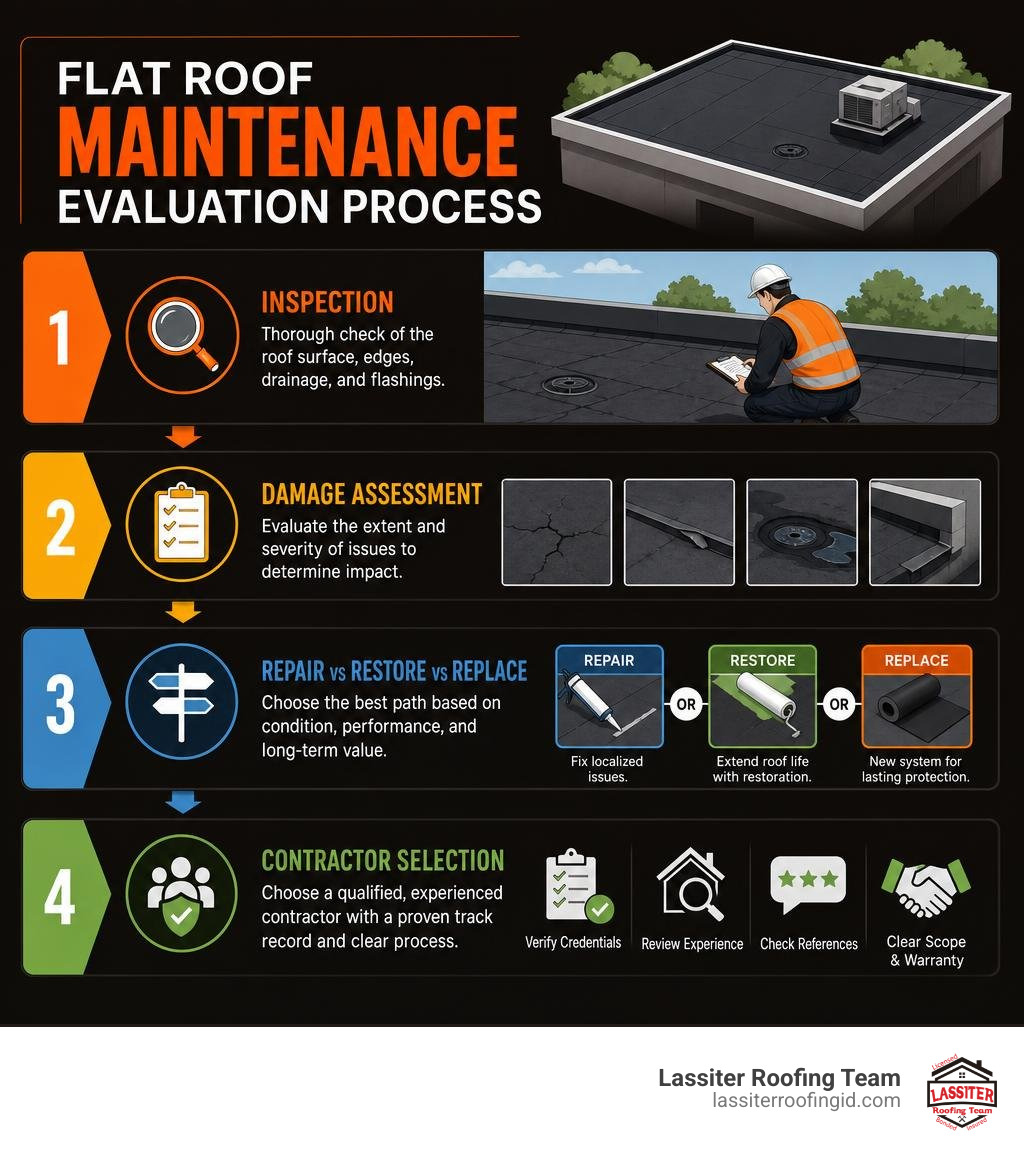
Deciding Between Flat Roof Repair, Restoration, and Replacement
When water manages to breach your outer defense layer, property managers and homeowners face a critical question: should you patch the leak, restore the surface, or tear off the entire assembly?
To evaluate your roof properly, professional contractors inspect several structural variables:
Age and condition of existing field membranes
Percentage of wet or saturated insulation underneath
Extent of seam delamination and flashing failure
Local building code requirements regarding allowable roof layers
Structural load capacity of current roof deck framing
When Flat Roof Repair Contractors Recommend Roof Restoration Coatings
When a flat roof is structurally sound and the insulation beneath remains dry, a fluid-applied roof coating system offers a budget-friendly alternative to full replacement. High-solids silicone, acrylic, or polyurethane coatings form a seamless, weather-resistant barrier over existing EPDM, TPO, metal, or modified bitumen membranes.
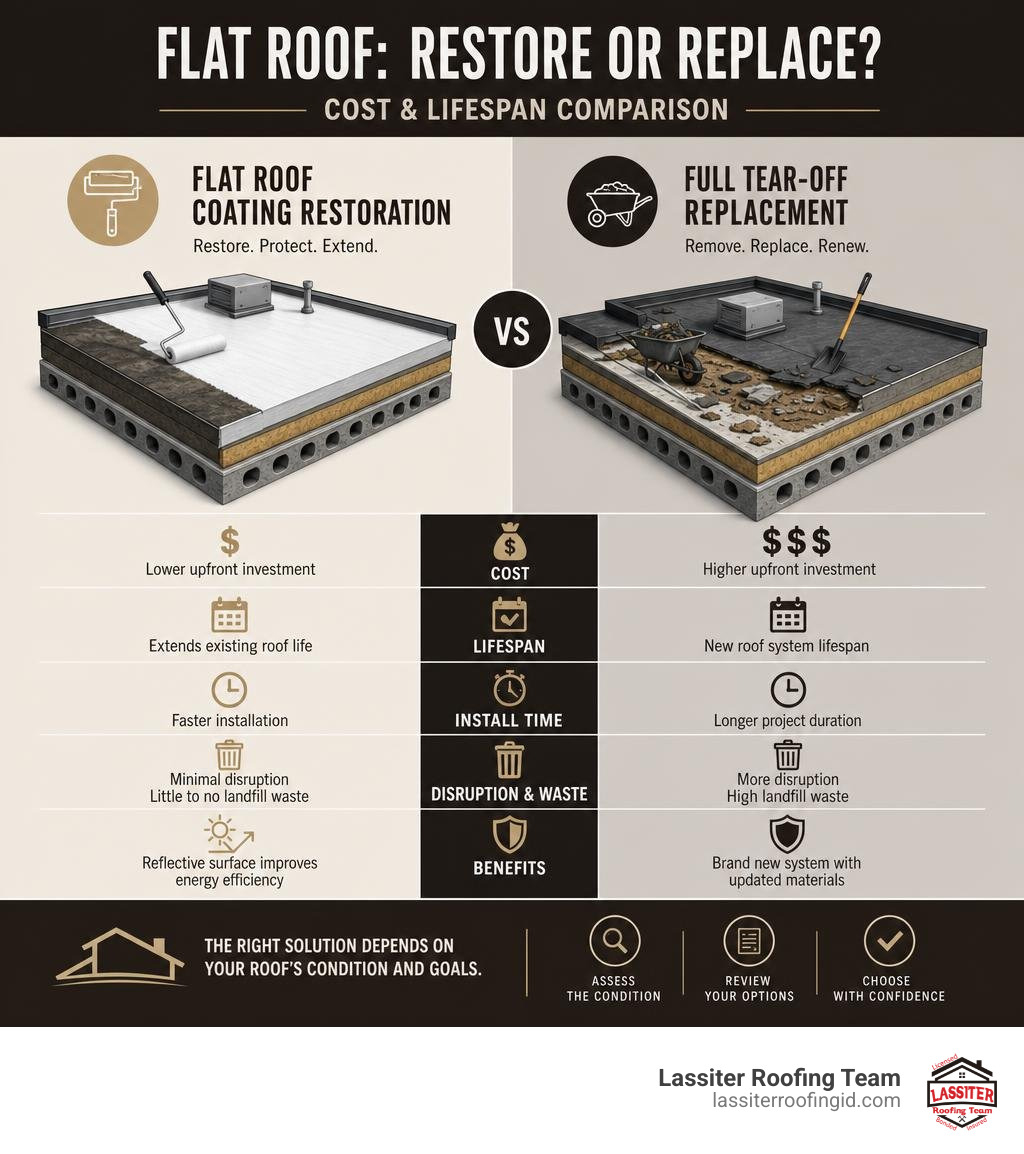
Restoration coatings seal pinhole leaks, lock down aging seams, and eliminate unnecessary landfill waste. Furthermore, reflective white coating surfaces dramatically reduce thermal absorption—fluid-applied roof restoration systems can reduce a building's energy consumption by up to 20% on average by reducing air conditioning demands.
Complete Roof Replacement Costs and Structural Considerations
When more than 25% of the roof insulation is water-logged or the underlying decking is structurally compromised, full replacement becomes essential.
A standard 20-square (2,000 sq. ft.) flat roof replacement with a 1/12 pitch using high-grade single-ply or modified bitumen materials typically averages around $48,000 (roughly $2,400 per square complete installation), with premium raw materials alone ranging from $475 to $800 per square depending on membrane thickness (e.g., standard .45 mil vs heavy-duty .90 mil reinforced EPDM or TPO).
Key cost factors for flat roof replacements include:
Tear-Off Labor and Waste Disposal: Stripping multiple old layers down to bare wood or concrete decking requires heavy labor and hauling fees.
Deck Repairs: Replacing rotted plywood, corrugated metal deck panels, or broken structural joists.
Tapered Insulation Systems: Installing sloped polyiso board retrofits or cricket saddles to eliminate low spots and direct water toward perimeter scuppers or internal drains.
How to Choose Qualified Flat Roof Repair Contractors
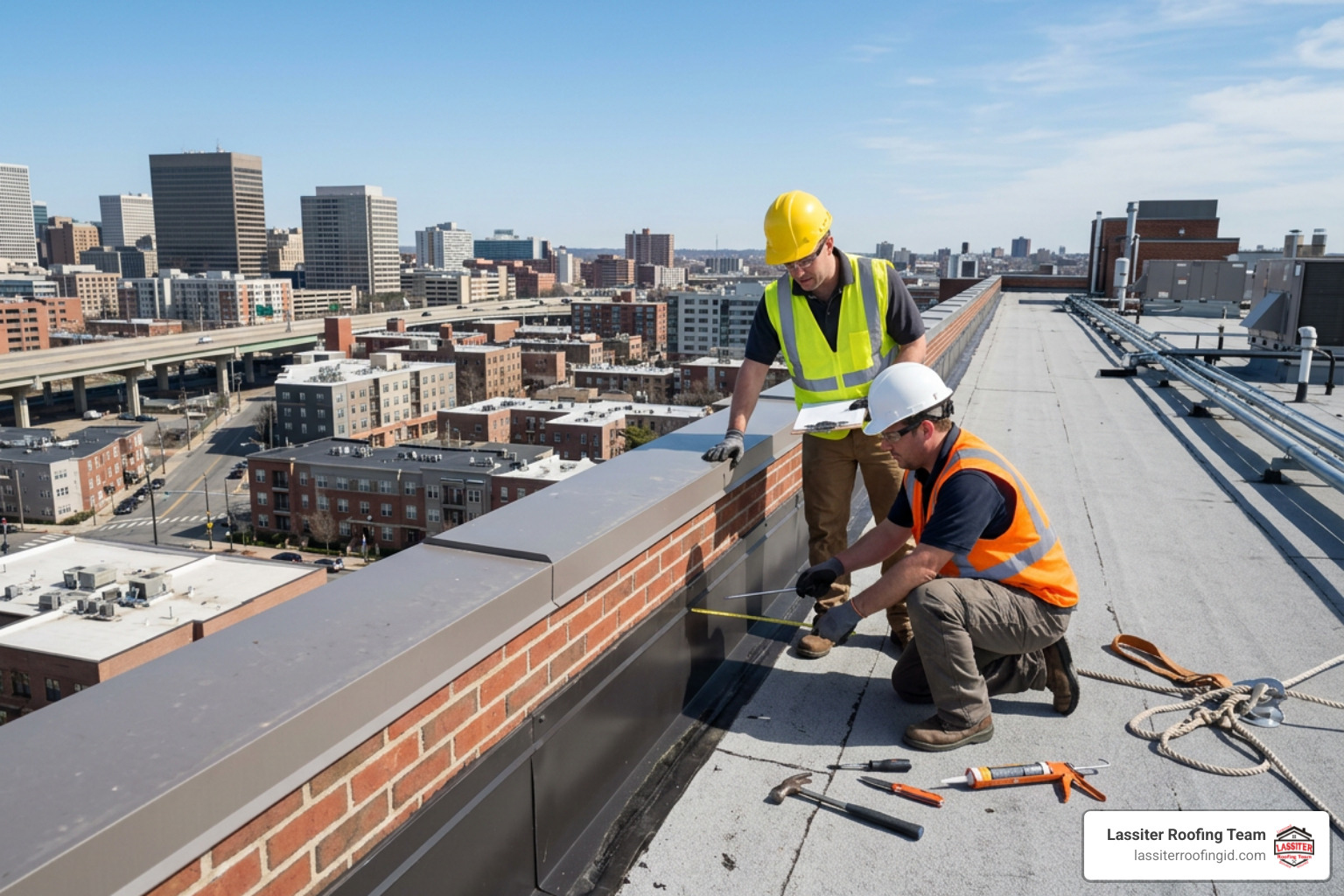
Flat and low-slope roofing systems require precise technical craftsmanship. Unlike asphalt shingle installations, flat roof materials depend on continuous chemical adhesives, torch application, or high-temperature hot-air seam welding. Partnering with trained flat roof repair contractors safeguards your property investment.
Essential Credentials for Professional Flat Roof Repair Contractors
Before signing a commercial or residential flat roofing contract, verify these primary qualification standards:
Licensing, Bonding, and Full Insurance: Ensure the business holds valid state contractor licenses along with comprehensive general liability and specialized workers' compensation coverage for low-slope roofing work.
Proven Manufacturer Certifications: Reputable crews possess factory certifications from leading material manufacturers, allowing them to provide extended multi-year material and labor warranties (ranging from 10 to 20 years).
Local Experience and Physical Footprint: Look for established local businesses with verified track records in your regional climate. For example, our team at Lassiter Roofing Team brings over 30 years of hands-on experience, individually quoted competitive pricing, and a standard 5-year workmanship warranty across Idaho's Western Treasure Valley.
Clear Warranties: Understand the exact differences between manufacturer material warranties and contractor labor warranties.
How Contractors Handle Emergency Repairs and Storm Claims
When extreme weather events hit—such as high winds lifting membrane edges or major hail storms fracturing single-ply surfaces—experienced roofers step in fast to mitigate property loss.
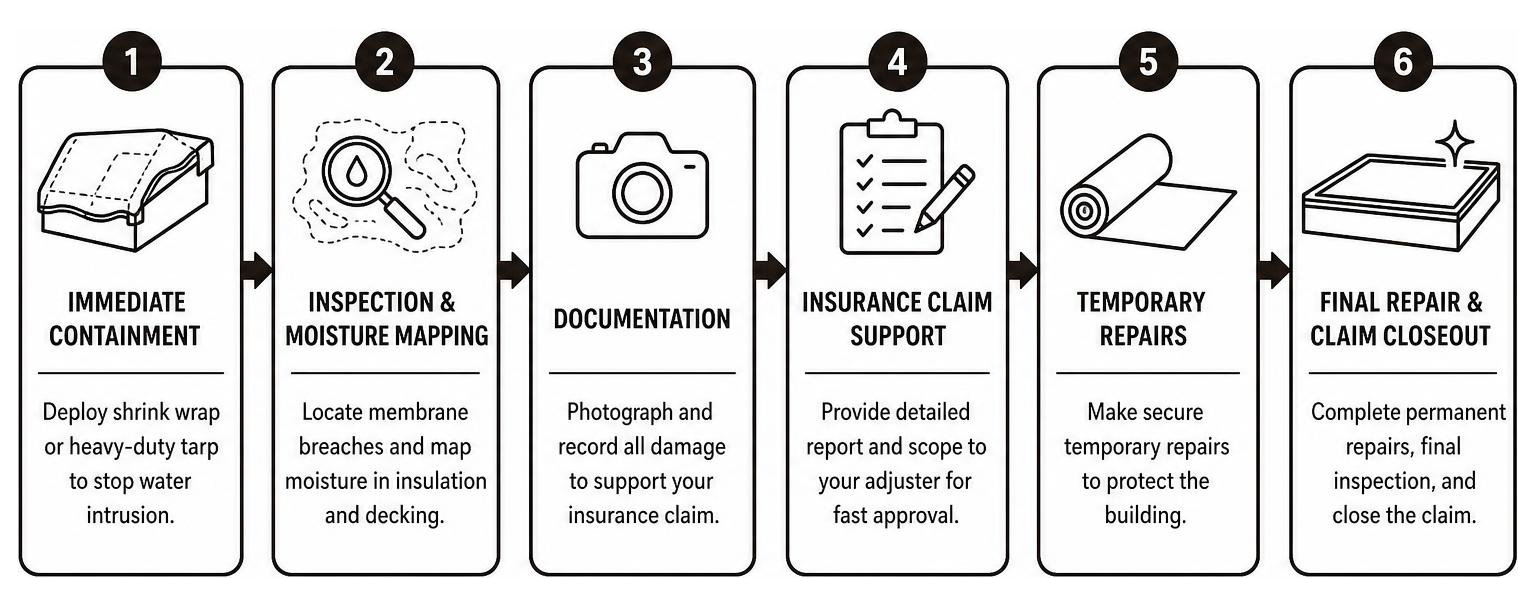
During severe storm emergencies, top-tier contractors deploy immediate containment solutions, such as heat-shrink wrapping or heavy-duty temporary tarping, to lock out incoming rain. They then conduct comprehensive moisture-mapping inspections, document all structural and substrate damage, and provide clear photographic evidence to streamline your property insurance claim process.
Frequently Asked Questions About Flat Roof Repairs
How often should a flat roof be inspected and maintained?
A flat roof should be inspected at least twice a year—ideally during spring and fall—as well as immediately following major storm events like severe hail or high-wind episodes. Regular bi-annual maintenance allows contractors to clear clogged drains, seal minor seam splits, and re-caulk perimeter flashings before leaks occur.
What is the typical cost range for flat roof replacement?
Flat roof replacement costs depend on material selection, roof height, penetration count, and insulation needs. On average, total replacement costs range from $800 to $2,400 per square (100 sq. ft.), with materials typically accounting for $475 to $800 per square.
How does roof restoration compare to full replacement?
Roof restoration involves applying a fluid-applied membrane coating over a structurally sound existing roof. Restoration typically costs half as much as a full tear-off, minimizes business disruption, avoids keeping waste out of local landfills, and offers up to 20% savings on building energy consumption thanks to high reflective white coating surfaces.
Conclusion
A flat roof offers outstanding versatility, modern aesthetics, and efficient space utilization for residential and commercial structures alike. Whether your property utilizes traditional felt, seamless fibreglass, or high-performance TPO single-ply membranes, proactive care remains the foundation of long-term structural longevity.
By partnering with qualified flat roof repair contractors for bi-annual inspections and prompt seam repairs, you can avoid costly emergency tear-offs and maximize your roof's service life. If you suspect your flat roof has developed moisture pockets, standing water issues, or storm damage, reach out to our experienced team at Lassiter Roofing today to schedule a thorough inspection and receive a custom competitive quote backed by our 5-year workmanship warranty.


