


The Ultimate Guide to Choosing Flat Roof Contractors in My Area
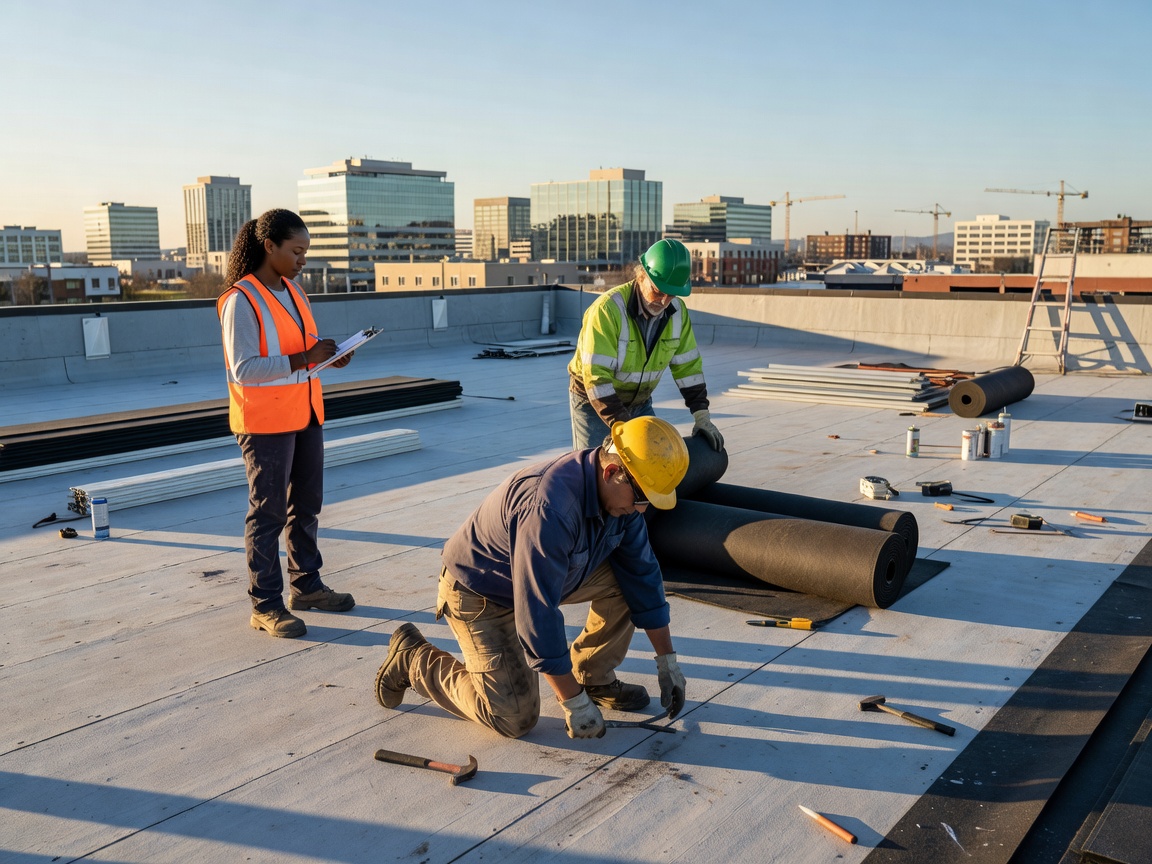
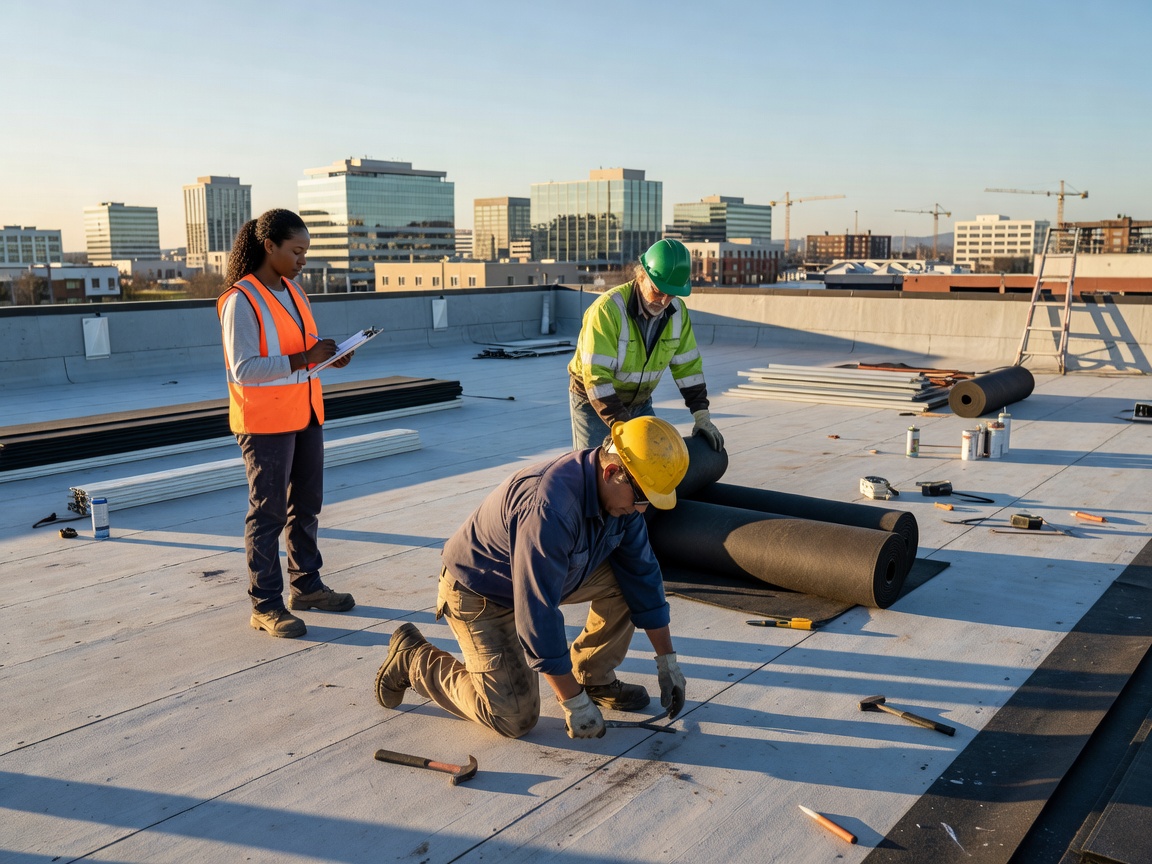
Finding dependable flat roof contractors in my area requires more than a quick web search and picking the first business that answers the phone. Flat roofing systems demand precise installation techniques, specialized equipment, and an in-depth understanding of how water flows across low-slope surfaces.
Unlike steep-sloped roofs that rely on gravity to shed water quickly, flat roofs act as a continuous weather barrier. Every seam, penetration, and edge termination must be watertight. When searching for local specialists, we always recommend establishing a clear vetting process to protect your investment.
Vetting Licensed and Insured Flat Roof Contractors in My Area
Before signing a contract or handing over a deposit, verify that your contractor possesses active licenses and comprehensive insurance coverage. In roofing, insurance isn't optional—it protects you from liability if an installer is injured on your property or if unexpected damage occurs during tear-off.
When evaluating flat roof contractors in my area, follow these key verification steps:
Verify Better Business Bureau (BBB) Ratings: A strong standing on the BBB demonstrates a commitment to resolving customer issues. Many established flat roof specialists maintain A+ ratings through transparent service and high workmanship standards.
Confirm Licensing and Certifications: Ensure the contractor holds current state and municipal licenses. Furthermore, elite installers often hold manufacturer certifications from major membrane suppliers like GAF, Carlisle, or CertainTeed.
Inquire About Non-Subcontracted Labor: Ask whether the company uses their own trained crews or hands off the job to third-party subcontractors. Direct oversight ensures consistent quality control.
Review Local Experience: Look for contractors with a proven track record in your specific geographic region. Experience with local freeze-thaw cycles, high wind zones, or intense summer heat ensures your roof is engineered for local weather extremes.
Understanding Flat Roof Warranties and Workmanship Guarantees
A flat roof is only as good as the warranty backing it up. Roofing warranties generally fall into two distinct categories: manufacturer material warranties and contractor workmanship guarantees.
Manufacturer Material Warranties: These cover defects in the roofing membrane itself. Depending on the material chosen, manufacturer warranties can range from 15 to 30 years. For commercial projects, eligible installations can qualify for No-Dollar-Limit (NDL) coverage, which covers the full cost of replacing defective materials without depreciating value over time.
Workmanship Guarantees: These are provided directly by the installing contractor and cover labor errors, improper seam welds, and flashing mistakes. While some standard roofers offer short 1- to 2-year warranties, experienced flat roof specialists typically offer guarantees ranging from 5 to 25 years. At Lassiter Roofing, for instance, we back our installations with a dedicated 5-year workmanship warranty, giving property owners complete peace of mind.
Comparing Flat Roofing Materials and Lifespans
Choosing the right membrane material directly impacts your roof's longevity, energy efficiency, and total cost of ownership. Different materials excel under different conditions, whether you're topping a brownstone, a suburban home, or a large industrial facility.
Flat Roof Material Typical Lifespan Primary Advantages Best Suited For TPO (Thermoplastic Polyolefin) 20 to 30 years High energy reflectivity, strong heat-welded seams, chemical resistance Sun-exposed residential & commercial properties EPDM (Rubber Roofing) 20 to 30 years Exceptional freeze-thaw flexibility, highly durable, easy to repair Shaded roofs, cold climates, low foot-traffic roofs Modified Bitumen 15 to 25 years Multi-ply toughness, puncture-resistant, excellent for high traffic Roofs with heavy foot traffic, HVAC access areas
Single-Ply Membranes: TPO versus EPDM
Single-ply membranes are the modern standard for low-slope and flat roofs. The two dominant choices are TPO (white reflective membrane) and EPDM (black synthetic rubber).
TPO has surged in popularity over the past two decades. Its bright white surface reflects solar radiation, significantly reducing building cooling costs during hot summer months. TPO seams are hot-air welded, fusing individual sheets into one monolithic barrier that is physically stronger than the membrane itself. On larger sun-exposed buildings, TPO often recovers its initial installation premium within 5 to 7 years through reduced utility bills.
EPDM, on the other hand, boasts the longest track record among single-ply rubber systems. It handles dramatic temperature swings and freeze-thaw cycles with ease, making it a favorite for northern climates. Black EPDM absorbs winter heat, helping melt snow accumulation faster. For detailed membrane installation practices, reviewing resources from industry bodies like the National Roofing Contractors Association provides valuable context on low-slope membrane performance.
Modified Bitumen and Multi-Ply Systems
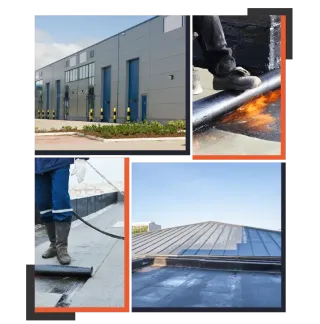
Modified bitumen is an evolution of traditional built-up asphalt roofing. Modern modified bitumen systems typically feature a two-ply assembly consisting of a base sheet and a cap sheet reinforced with fiberglass or polyester mats.
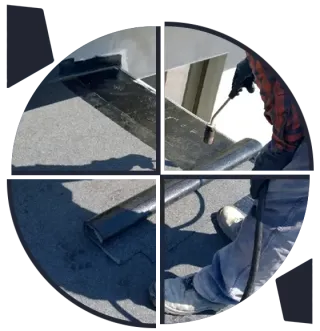
These membranes can be torch-applied, self-adhered, or cold-applied with liquid adhesives. Modified bitumen excels on roofs that experience regular foot traffic, such as properties with heavy rooftop mechanical equipment or residential deck transitions. A multi-ply modified bitumen installation generally lasts 15 to 25 years under intense UV and heat conditions.
Spotting Signs Your Flat Roof Needs Repair or Replacement
Flat roof problems are often stealthy. Because low-slope roofs are hidden from ground view, water damage can accumulate inside the roof assembly long before ceiling drips appear in your living space.
Key signs that your flat roof requires professional attention include:
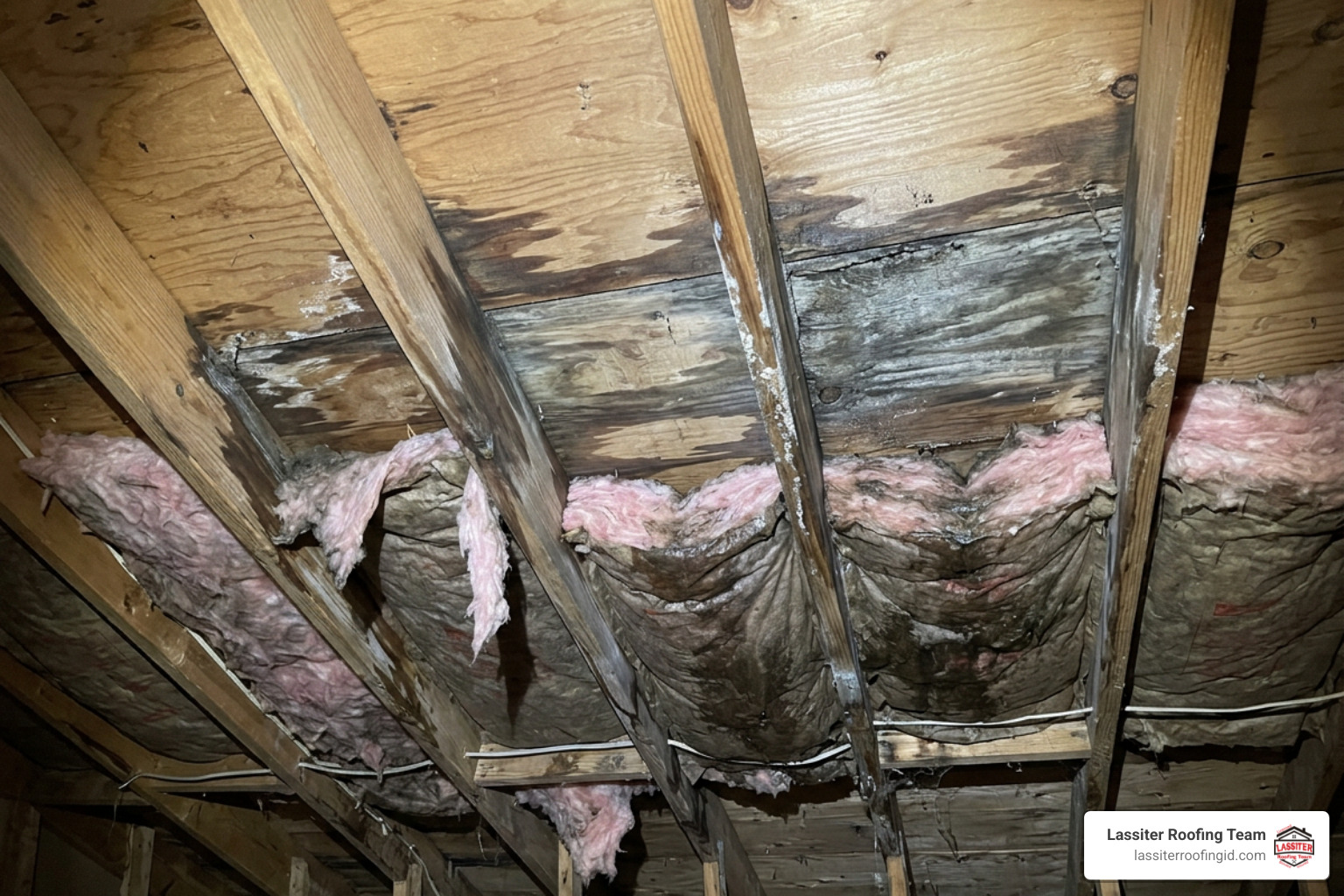
Saturated Insulation & Interior Ceiling Stains: Water stains or peeling paint inside your property mean moisture has penetrated the top membrane and fully saturated the underlying insulation.
Blistering or Bubbling: Trapped air or moisture under the membrane expands when heated by the sun, creating visible bubbles that weaken adhesive bonds.
Cracked or Separated Seams: Over time, thermal expansion and contraction can cause glued or welded seams to pop open, creating direct entry points for water.
Failing Flashing around Parapet Walls and Penetrations: The majority of flat roof leaks don't start in the middle of the field membrane—they occur around pipes, vents, skylights, and parapet walls where flashing has cracked or pulling away.
How Flat Roof Contractors in My Area Handle Emergency Leak Repair
When severe weather strikes and water enters your building, fast response times are critical. Professional flat roof contractors in my area maintain emergency repair protocols to dry-in properties and limit structural damage.
During an emergency call, technicians will perform rapid leak detection—often using moisture meters or specialized flood testing—to pinpoint the exact point of entry. Temporary fixes include emergency tarping, applying fast-curing liquid sealants, or heat-welding a sacrificial membrane patch over compromised seams. Once the storm passes and the deck dries completely, a permanent repair or full deck evaluation can take place.
Fixing Drainage Issues and Ponding Water
Water is the ultimate enemy of a flat roof. Ponding water is defined as standing water that remains on a roof surface for 48 hours or longer following rainfall.
Allowing ponding water to linger creates several serious risks:
Structural Load: Water weighs approximately 5.2 pounds per inch of depth per square foot, placing unnecessary strain on roof joists.
Accelerated UV Breakdown: Standing water acts as a magnifying lens for solar rays, accelerating chemical breakdown of single-ply membranes.
Algae and Debris Accumulation: Moisture pockets collect dirt and promote plant growth, clogging scuppers and internal drains.
To fix ponding water permanently, experienced contractors install tapered insulation boards beneath the new membrane. Tapered insulation creates a gentle positive slope, directing every gallon of rainfall straight toward internal drains, gutters, or perimeter scuppers. Regional installation techniques for complex drainage challenges prioritize custom tapered designs and proactive maintenance.
Flat Roof Replacement Costs and Local Permitting Requirements
Replacing a flat roof involves several cost factors beyond the simple cost of raw materials per square foot. When we evaluate a flat roof replacement, total pricing depends on building height, accessibility, choice of membrane, tear-off requirements, and the structural condition of the underlying wooden or metal deck.
A critical step that should never be skipped is the complete inspection of structural deck boards during tear-off. Leaving saturated or rotted plywood beneath a shiny new TPO or EPDM membrane locks in moisture, leading to premature structural rot and mold growth.
Permitting is another vital step in the process. Most municipalities require formal building permits for flat roof replacements. Permits ensure that the work complies with local structural codes, fire ratings, insulation R-values, and wind uplift requirements. Reputable flat roof contractors in my area handle all permit filing, engineering documentation, and final city inspections on your behalf.
Residential versus Commercial Flat Roof Considerations
While the core materials (TPO, EPDM, Mod-Bit) are used across both sectors, residential and commercial flat roof projects have distinct requirements:
Residential Flat Roofs: Commonly found on brownstones, additions, rowhouses, or modern custom homes. These projects prioritize fast completion, quiet installation, aesthetic flashing details, and integration with outdoor patio decks or solar panels. Architectural nuances for regional homes require experienced custom detailing around roof transitions and parapets.
Commercial Properties: Warehouses, apartment complexes, and retail centers involve much larger square footage. Installations are often completed in phases to keep commercial operations open. These roofs must account for heavy foot traffic around industrial HVAC units, necessitating reinforced walkways and custom roof curb flashings.
Frequently Asked Questions About Flat Roofing
How long does a flat roof installation typically take?
Installation timelines depend directly on roof size, weather conditions, and structural tear-off requirements. A typical residential flat roof replacement (under 1,500 square feet) usually takes 1 to 2 days. Mid-sized commercial buildings or multi-family properties (2,500 to 10,000 square feet) generally take 3 to 5 days, while large industrial facilities may take 1 to 2 weeks completed in phased sections.
Do I need a building permit for flat roof replacement?
Yes. Virtually all cities and counties require building permits for full flat roof replacements. Permits ensure the roof meets current local energy codes (such as minimum insulation thickness) and local wind uplift standards. Your contractor should handle all permit applications and schedule municipal building inspections.
How do I prevent ponding water on a flat roof?
Ponding water is prevented by engineering proper slope into the roof structure. During a roof replacement, contractors can install custom tapered insulation systems that create a slight incline toward drains. Additionally, property owners should keep roof scuppers, gutters, and internal drains free of leaves and organic debris through twice-yearly inspections.
Conclusion
A flat roof represents a vital investment in your property's safety, energy efficiency, and value. Whether you are dealing with a active leak, planning preventative maintenance, or scheduling a full tear-off and replacement, picking the right partner makes all the difference.
Always choose licensed and insured professionals who verify underlying deck conditions, build proper drainage into every job, and provide clear written warranties for both materials and labor.
If you are located in Idaho's Western Treasure Valley and need expert advice on flat, metal, or shingle roofing, our team at Lassiter Roofing brings over 30 years of local hands-on experience to every project. Schedule your flat roof consultation today to get a clear, individually quoted estimate and protect your property for decades to come


